How the Mediterranean Diet Protects Your Heart (Evidence-Based Guide)
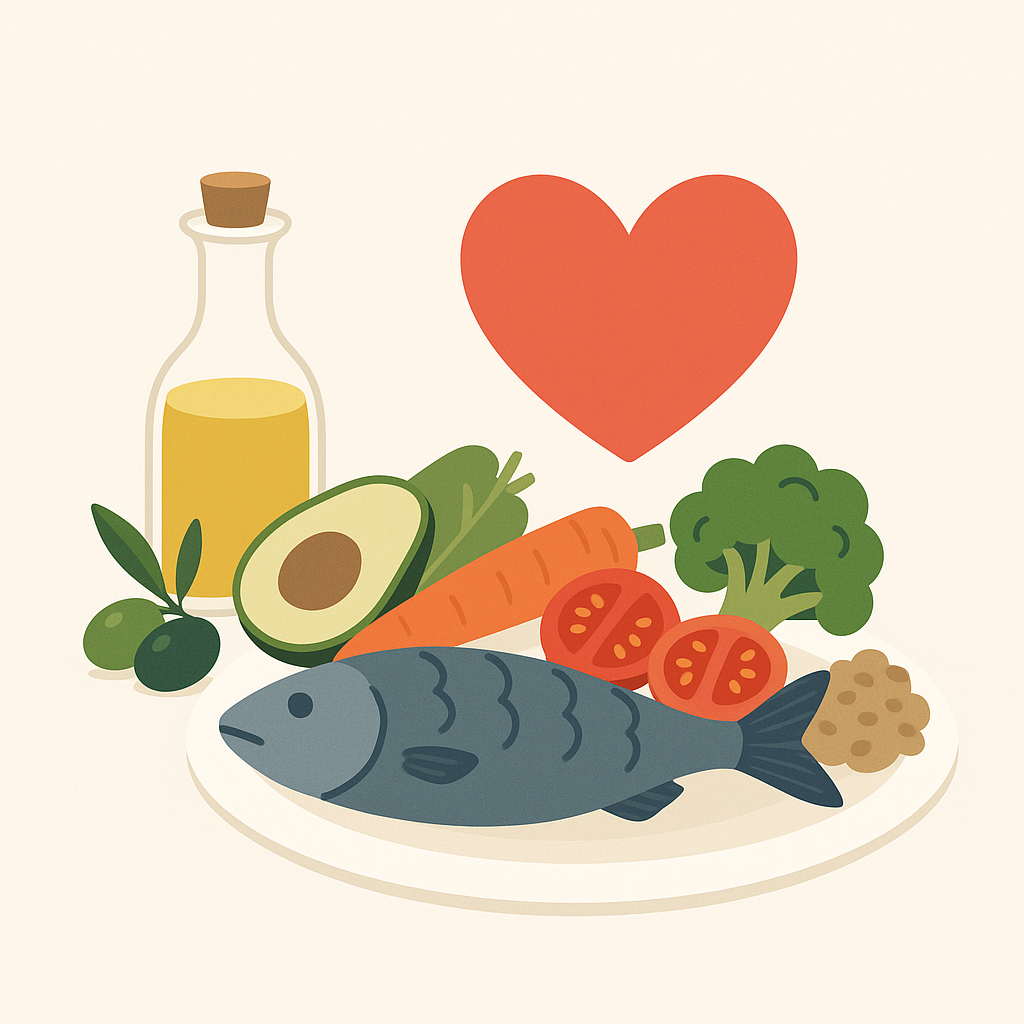
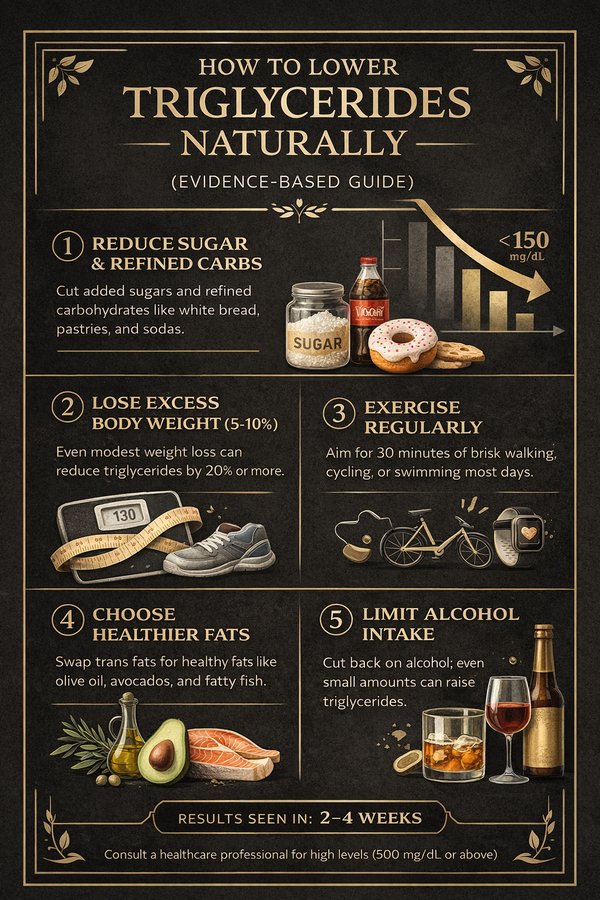
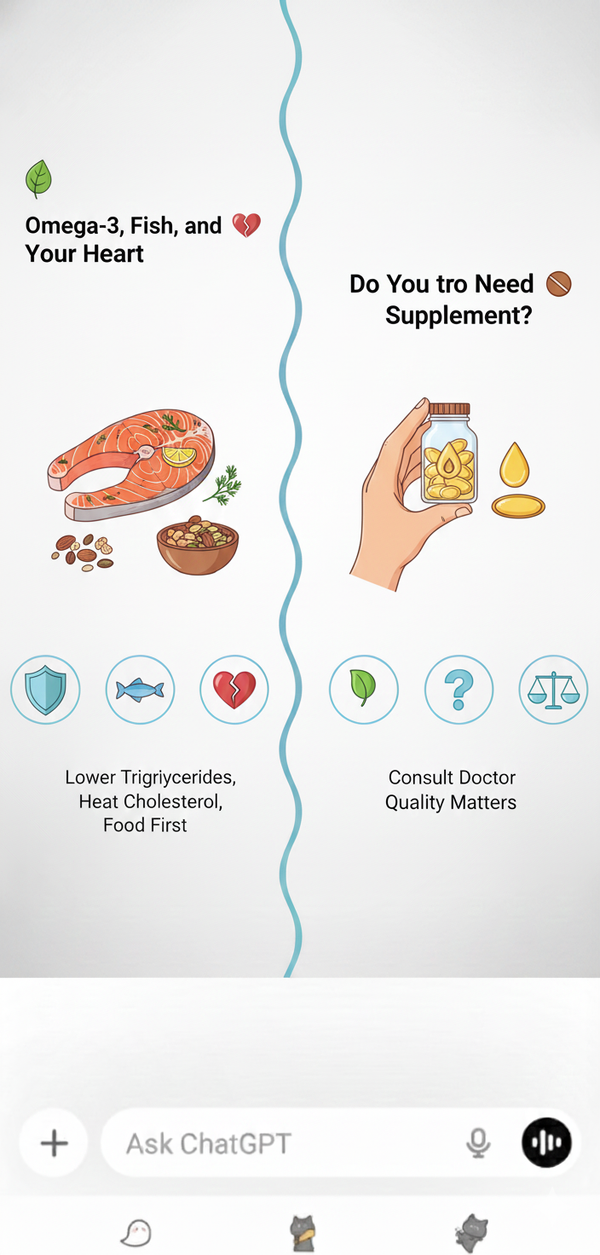
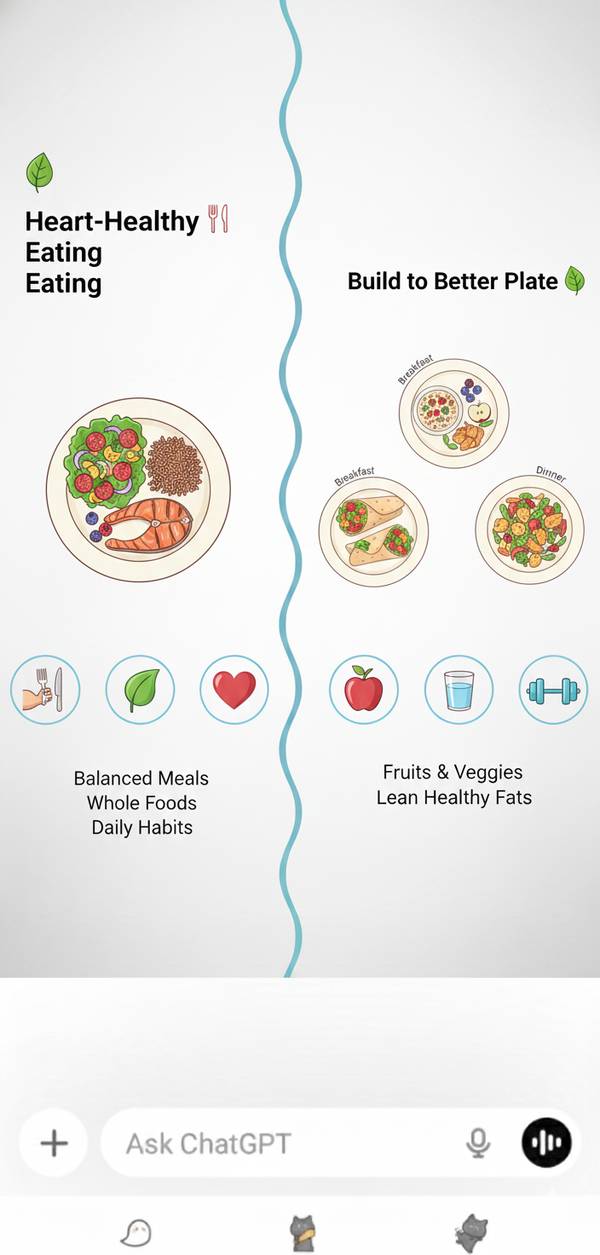
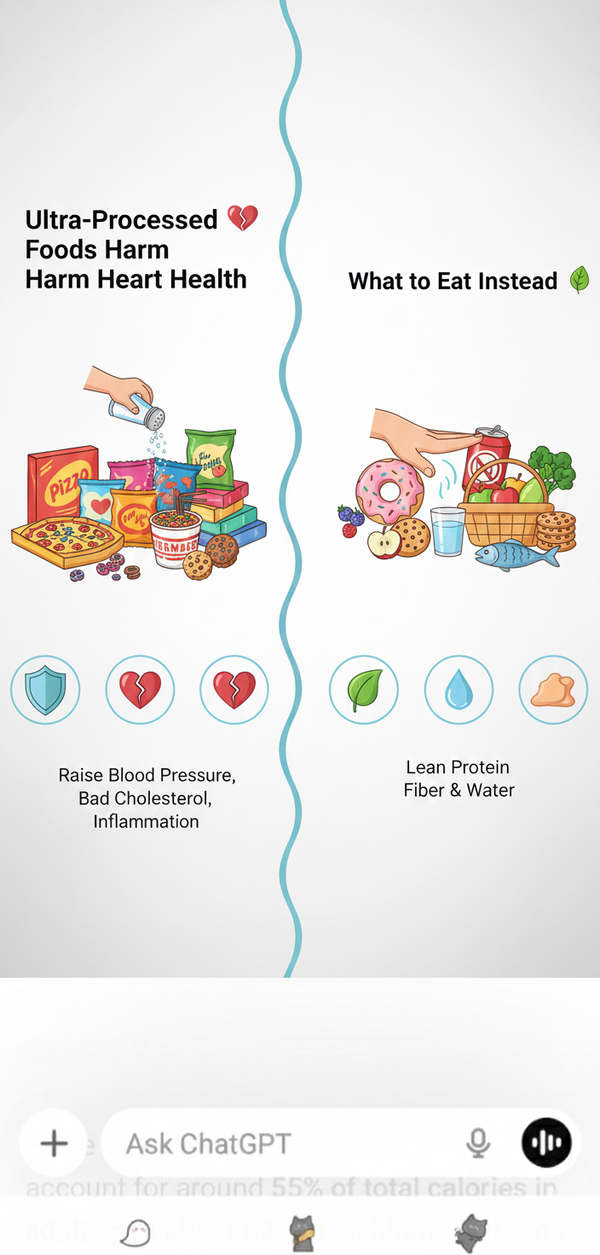
Meta Description Discover how the Mediterranean diet lowers heart disease risk, improves cholesterol, and supports long-term heart health using simple, evidence-based changes. — How the Mediterranean Diet Protects Your Heart (Evidence-Based Guide) The Mediterranean diet has been praised for decades as one of the healthiest ways to eat. Doctors recommend it, headlines celebrate it, and people who follow it often report feeling better — but what exactly makes this way of eating so good for your heart? This guide explains how the Mediterranean diet works, what the science actually says, and how you can start using it in a realistic, sustainable way. — What Is the Mediterranean Diet? The Mediterranean diet is not a strict meal plan or a short-term “program.” It’s a pattern of eating traditionally found in countries bordering the Mediterranean Sea, such as Greece, Italy, and Spain. It focuses on: Plenty of vegetables, fruits, beans, and whole grains Olive oil as the main added fat Frequent intake of nuts and seeds Moderate amounts of fish and seafood Smaller portions of poultry, eggs, and dairy Limited red and processed meats Minimal ultra-processed foods and sugary drinks Equally important is the lifestyle around the food: unhurried meals, social connection, and regular movement such as walking. — Why Heart Health Matters Cardiovascular disease remains the leading cause of death worldwide. Many of the major risk factors — high LDL (“bad”) cholesterol, high blood pressure, chronic inflammation, and central obesity — are strongly influenced by diet and lifestyle. The Mediterranean pattern directly targets these risk factors: It improves blood lipid profiles (cholesterol and triglycerides). It supports better blood pressure control. It helps regulate blood sugar and insulin response. It provides powerful anti-inflammatory and antioxidant compounds. Instead of focusing on a single nutrient (like cutting all fat or all carbs), the Mediterranean diet improves the whole metabolic picture. — What the Research Says About the Mediterranean Diet and Heart Disease Large, long-term studies have repeatedly linked the Mediterranean diet with better heart outcomes. Key findings across clinical trials and observational research include: Reduced major cardiovascular events People who follow a Mediterranean-style diet have a significantly lower risk of heart attack, stroke, and cardiovascular-related death compared with those on more typical Western diets. Improved cholesterol profile This pattern tends to lower LDL cholesterol and triglycerides while helping maintain or slightly increase HDL (“good”) cholesterol. Better blood pressure control Diets rich in fruits, vegetables, whole grains, and unsalted nuts provide potassium, magnesium, fiber, and antioxidants — all of which support healthier blood pressure. Support for weight and waist circumference Because it emphasizes satisfying, nutrient-dense foods, the Mediterranean diet can help reduce overeating and central fat accumulation, which are both major heart-risk drivers. The overall message from the data is consistent: you don’t need perfection, but the closer your daily eating pattern resembles the Mediterranean model, the more protection your heart is likely to receive over the long term. — How the Mediterranean Diet Supports Heart Health (Mechanisms) Let’s break down how this way of eating actually helps your heart and blood vessels. 1. Healthier Fats and Less Harmful Fats The Mediterranean diet replaces saturated and trans fats with healthier options: Extra-virgin olive oil provides monounsaturated fats, which help improve LDL and HDL balance and may reduce oxidative stress in blood vessels. Nuts, seeds, and fatty fish (such as salmon, sardines, and mackerel) offer omega-3 fatty acids, which can help lower triglycerides, stabilize heart rhythm, and reduce inflammation. By contrast, typical Western diets are high in saturated fat, deep-fried foods, and industrial trans fats that contribute to plaque buildup in arteries. — 2. Fiber-Rich Foods That Improve Cholesterol and Blood Sugar Vegetables, fruits, legumes, and whole grains are naturally high in soluble fiber, which: Helps reduce LDL cholesterol by binding some cholesterol in the digestive tract and carrying it out of the body Slows the absorption of sugar, leading to more stable blood glucose and insulin levels Promotes a healthier gut microbiome, which is increasingly linked to reduced inflammation and improved heart health Fiber also increases satiety, making it easier to avoid overeating without counting every calorie. — 3. Antioxidants and Anti-Inflammatory Compounds Colorful plant foods, olive oil, herbs, and spices in the Mediterranean diet contain a wide range of polyphenols and other antioxidants. These compounds may: Reduce oxidative damage to LDL cholesterol, making it less likely to form plaque Support the health of the endothelium (the inner lining of blood vessels) Lower chronic low-grade inflammation, a key contributor to atherosclerosis In simple terms: this diet helps keep your blood vessels calmer, less inflamed, and more flexible. — 4. Better Blood Pressure and Vascular Function High intake of potassium-rich foods (vegetables, fruits, legumes) and reduced reliance on heavily salted processed foods support healthier blood pressure. Magnesium and nitrates from foods like leafy greens and beets may also improve the ability of blood vessels to relax and widen, which reduces strain on the heart. — Practical Mediterranean Diet Food Guide You don’t need to move to Greece to benefit. Here’s how to apply this way of eating using foods you can find in most supermarkets. Base Your Meals Around Plants Aim for half your plate to be vegetables at lunch and dinner: Leafy greens (spinach, kale, arugula, romaine) Colorful vegetables (peppers, tomatoes, eggplant, carrots, broccoli) Beans and lentils (chickpeas, black beans, lentils, cannellini beans) Use fruit as your default dessert or snack instead of pastries or candy. — Make Olive Oil Your Primary Added Fat Use extra-virgin olive oil for: Salad dressings Drizzling over cooked vegetables or fish Light sautéing at moderate heat Try replacing butter or creamy sauces with olive-oil-based dressings and herb mixes. — Choose Whole Grains Over Refined Grains Swap: White bread → whole-grain or sourdough bread White rice → brown rice, farro, barley, or quinoa Sugary breakfast cereals → oats with nuts and fruit Whole grains provide more fiber, minerals, and sustained energy. — Eat Fish Several Times Per Week Aim for 2–3 servings of fish per week, especially fatty fish such as: Salmon Sardines Mackerel Trout If you rarely eat fish, consider starting with canned options (like sardines or tuna in olive oil) as an easy, budget-friendly entry point. — Enjoy Nuts and Seeds in Moderation A small handful of unsalted nuts (such as almonds, walnuts, pistachios) or seeds (such as sunflower or pumpkin seeds) makes a satisfying snack or salad topping. They provide healthy fats, fiber, and minerals — but they are calorie-dense, so focus on mindful portions rather than eating straight from a large bag. — Limit Processed Meats and Sugary Foods Try to reduce: Processed meats (sausages, bacon, deli meats) Fast food and deep-fried items Sugary drinks and desserts You don’t need to be perfect, but consistently shifting choices toward minimally processed foods is where long-term benefits come from. — Sample One-Day Mediterranean-Style Menu Here is a simple example day to show how this might look in real life. Breakfast Oats cooked with water or milk Topped with berries, a sliced banana, and a small handful of walnuts Black coffee or tea (optional), without added sugar Lunch Large salad with mixed greens, cherry tomatoes, cucumbers, olives, and chickpeas Dressed with extra-virgin olive oil, lemon juice, and herbs Slice of whole-grain bread Snack Apple or orange Small handful of almonds Dinner Baked salmon with herbs and olive oil Steamed or roasted vegetables (broccoli, carrots, peppers) Side of quinoa or brown rice Optional dessert Plain yogurt with a drizzle of honey and some fresh fruit You can adjust portions, spices, and exact ingredients based on your preferences and cultural food traditions while keeping the overall pattern. — Who Should Be Careful With the Mediterranean Diet? The Mediterranean diet is generally safe for most people, but some situations need extra attention: People with specific kidney conditions may need to monitor potassium and protein intake. Those on blood-thinning medications should be consistent with foods high in vitamin K and discuss big diet changes with their doctor. Anyone with food allergies or intolerances (for example, to fish, nuts, or gluten) will need individualized adjustments. For major health conditions, especially cardiovascular or metabolic disease, always coordinate dietary changes with a healthcare professional. — FAQ: Mediterranean Diet and Heart Health 1. Is the Mediterranean diet good for people who already have heart disease? Yes. Many studies suggest that adopting a Mediterranean-style pattern after a heart event can still lower the risk of future events compared with a typical Western diet. It is often recommended alongside medications and other medical treatments, not as a replacement. 2. Do I need to drink red wine to get the benefits? No. While moderate red wine intake appears in some traditional Mediterranean patterns, alcohol is not required for heart protection and may increase risk for some people. You can follow a completely alcohol-free Mediterranean diet and still gain substantial benefits. 3. Is the Mediterranean diet low-carb or low-fat? Neither. It is moderate in both and emphasizes the quality of carbs and fats. Most carbohydrates come from whole, minimally processed sources, and most fats come from olive oil, nuts, seeds, and fish. 4. How long does it take to see heart-health benefits? Some changes, such as improvements in blood pressure or cholesterol, may be noticeable in a few weeks to a few months. The greatest reduction in heart-disease risk comes from staying consistent over years. 5. Can the Mediterranean diet help with weight loss? Yes, especially when combined with mindful portion control and regular physical activity. Because the diet is rich in fiber and healthy fats, many people find it filling and easier to sustain compared with restrictive “crash” diets. — Final Thoughts The Mediterranean diet is not a magic solution, but it is one of the most well-studied and sustainable dietary patterns for heart health. By shifting your everyday meals toward more vegetables, whole grains, olive oil, fish, nuts, and minimally processed foods — while reducing processed meats, refined carbs, and sugary drinks — you support your heart, blood vessels, and overall metabolic health. Small, consistent changes in this direction can quietly reshape your long-term risk, one plate at a time.