How to Lower LDL Cholesterol with Food (Evidence-Based Guide)
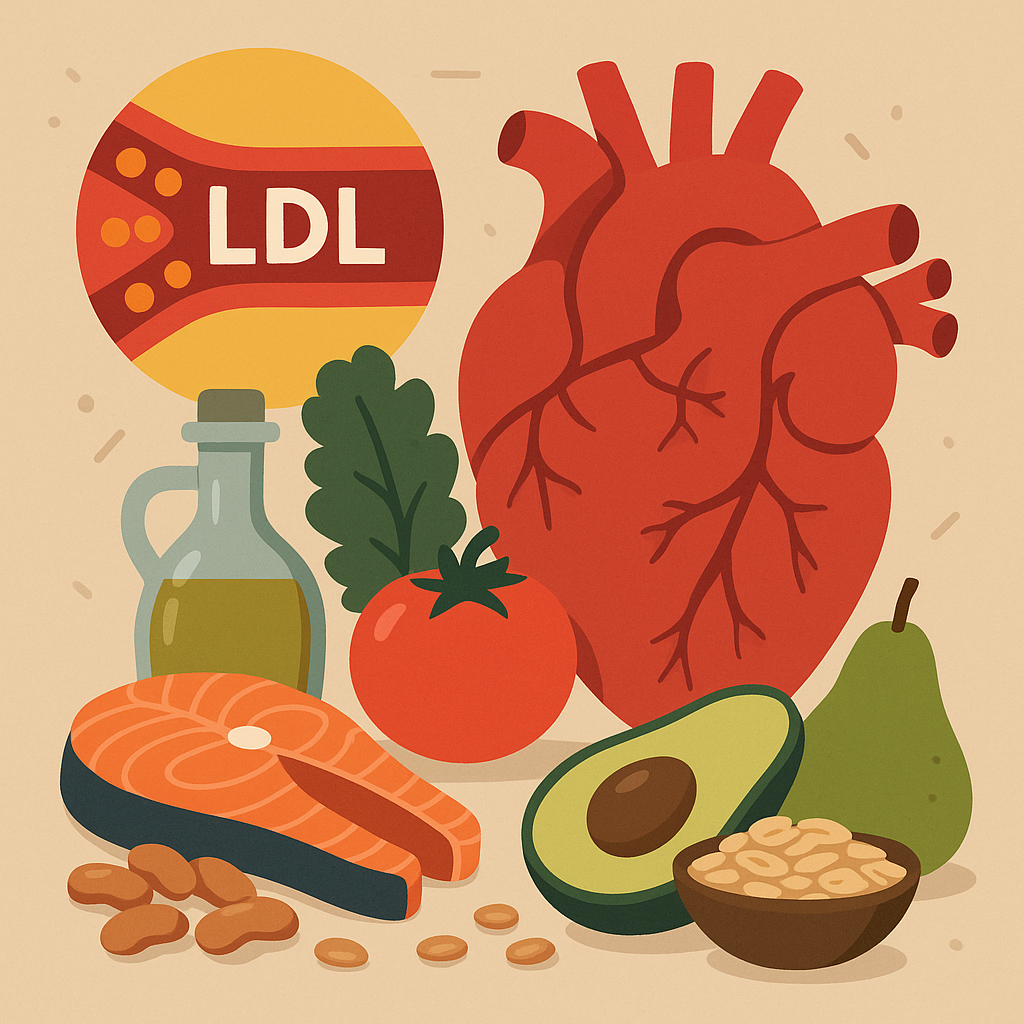
Meta Description LDL cholesterol is a major driver of heart disease, but food choices can significantly lower it. Learn how to reduce LDL naturally with evidence-based diet strategies. — How to Lower LDL Cholesterol with Food (Evidence-Based Guide) Cardiovascular disease is still the leading cause of death worldwide, responsible for roughly one-third of all global deaths. One of the most important risk factors behind those numbers is elevated LDL cholesterol. Medication can be crucial, especially for people at high risk. But decades of research also show that what you eat every day can meaningfully lower LDL and support long-term heart health. This guide explains what LDL is, how diet influences it, and which food-based strategies have the strongest scientific support. > Note: This article is educational and does not replace medical advice. Always work with your healthcare provider before changing medication or making major diet changes. — What Is LDL Cholesterol and Why Does It Matter? Cholesterol itself is a waxy substance that your body needs to build hormones, vitamin D, and cell membranes. Because cholesterol doesn’t dissolve in blood, it travels in particles called lipoproteins. LDL (low-density lipoprotein): often called “bad” cholesterol. High levels are strongly linked to atherosclerosis — the buildup of plaque in arteries. HDL (high-density lipoprotein): often called “good” cholesterol. It helps carry cholesterol away from arteries and back to the liver. When LDL cholesterol remains high over time, more cholesterol can be deposited in artery walls, contributing to plaque formation and increasing the risk of heart attack and stroke. Lowering LDL, especially in people with other risk factors (high blood pressure, smoking, diabetes, family history), becomes a key target for prevention. — How Food Influences LDL Cholesterol Diet affects LDL through several mechanisms: The type of fat you eat can raise or lower LDL. Viscous (soluble) fiber can reduce cholesterol absorption. Plant sterols and stanols compete with cholesterol for absorption. Overall dietary patterns influence body weight, inflammation, and metabolic health. Let’s break those down. — 1. Shift from Saturated Fats to Unsaturated Fats Saturated fats are found mainly in: Fatty cuts of red meat Processed meats Butter, ghee, lard Full-fat dairy Tropical oils like coconut and palm oil Health organizations, including the American Heart Association, recommend limiting saturated fat to around 5–6% of total calories for people who need to lower LDL and cardiovascular risk. Multiple lines of evidence — metabolic studies, cohort data, and randomized trials — show that replacing saturated fats with unsaturated fats lowers LDL and reduces heart disease risk, particularly when the replacement is polyunsaturated fat (from foods like vegetable oils, nuts, and seeds). Practical swaps: Use olive, canola, or other liquid vegetable oils instead of butter or lard for cooking. Choose nuts and seeds instead of pastries or processed snacks. Favor fatty fish (salmon, sardines, mackerel) and legumes more often than red or processed meats. You don’t need to eliminate saturated fat completely; the key is to shift the balance toward unsaturated fats. — 2. Increase Viscous (Soluble) Fiber Fiber is found only in plant foods. Viscous, or soluble, fiber forms a gel in the gut that binds bile acids and cholesterol, helping carry them out of the body instead of allowing them to be reabsorbed. Good sources include: Oats and barley Beans, lentils, chickpeas Ground flaxseed and chia seeds Apples, citrus fruits, pears Eggplant and okra Meta-analyses show that consuming around 3 grams per day of β-glucan fiber from oats or barley can significantly reduce LDL cholesterol; higher intakes of viscous fiber provide greater reductions. You can: Start your day with oatmeal topped with fruit and nuts. Add half a cup of beans or lentils to salads, soups, and grain bowls. Sprinkle ground flaxseed or chia onto yogurt or smoothies. Increase fiber gradually and drink enough water to reduce digestive discomfort. — 3. Use Plant Sterols and Stanols Strategically Plant sterols and stanols are compounds naturally present in small amounts in vegetable oils, nuts, seeds, and whole grains. They have a structure similar to cholesterol and compete with it for absorption in the intestine, lowering LDL levels. Higher intakes (usually from fortified foods like certain margarines, yogurts, or drinks) can reduce LDL by roughly 5–15% when used consistently alongside a healthy diet. For many people, a practical approach is: Focus first on natural sources (nuts, seeds, whole grains, vegetable oils). Consider fortified products if recommended by a healthcare professional, especially when you’re already working on fat quality and fiber. — 4. Choose Cholesterol-Friendly Dietary Patterns Rather than micromanaging every nutrient, it’s easier to adopt a pattern that naturally aligns many LDL-lowering mechanisms. DASH and Mediterranean Patterns The DASH (Dietary Approaches to Stop Hypertension) and Mediterranean diets: Emphasize vegetables, fruits, whole grains, nuts, legumes, and fish Use olive oil and other unsaturated fats Limit red and processed meats, refined grains, and sugary foods Meta-analyses of DASH interventions show modest but meaningful reductions in total and LDL cholesterol, particularly in people with overweight or obesity. Mediterranean-style patterns rich in unsaturated fats and fiber are also associated with lower cardiovascular events and improved lipid profiles over time. The Portfolio Diet (Advanced Option) The Portfolio diet is a plant-based pattern specifically designed to lower LDL, combining: High viscous fiber Nuts Soy protein Plant sterols/stanols Clinical trials show that a well-followed Portfolio diet can reduce LDL by around 20–30%, an effect comparable to low-dose statin therapy in some participants. This approach is more structured and may be best followed with guidance from a dietitian. — 5. Watch Refined Carbohydrates and Ultra-Processed Foods Diet discussions about cholesterol often focus only on fat, but highly refined carbohydrates and ultra-processed foods contribute to weight gain, insulin resistance, and elevated triglycerides — all of which worsen overall cardiovascular risk. Helpful shifts: Replace sugary drinks with water, sparkling water, or unsweetened tea. Swap white bread, pastries, and instant noodles for whole grains and minimally processed options. Focus on meals built from basic ingredients (vegetables, beans, whole grains, fish, eggs, nuts) rather than heavily packaged foods. This doesn’t directly “cancel out” LDL, but it supports healthy weight, better blood sugar, and a lower inflammatory load — crucial context for cholesterol. — 6. Lifestyle Factors That Amplify Diet’s Effect Food is central, but other habits interact with diet to determine your lipid profile. Physical activity: Regular aerobic activity and strength training improve HDL, lower triglycerides, and support weight control. Body weight: Losing even 5–10% of body weight can improve LDL and other markers in people with overweight or obesity. Smoking: Tobacco damages blood vessels and oxidizes LDL, making it more atherogenic. Quitting provides major risk reduction. Sleep and stress: Poor sleep and chronic stress can worsen metabolic health and make healthy eating harder to maintain. Think of diet as the foundation; these factors act like “multipliers” on the benefits. — Putting It Together: A Practical Day of LDL-Friendly Eating Here’s a simple example that combines the principles above. Breakfast Bowl of oats cooked with water or milk alternative Topped with berries, a sliced banana, and a spoon of ground flaxseed Small handful of walnuts Lunch Big salad: leafy greens, chickpeas or lentils, tomatoes, cucumbers, and grated carrots Dressing made with extra-virgin olive oil, lemon juice, and herbs Slice of whole-grain bread Snack Apple or pear, eaten with skin A few almonds or pistachios Dinner Baked salmon or tofu, brushed with olive oil and spices Side of barley or quinoa Roasted vegetables (broccoli, peppers, eggplant) This can be adapted to different cuisines and preferences while keeping the same structure: unsaturated fats, high fiber, plenty of plants, minimal ultra-processed foods. — FAQ: Lowering LDL Cholesterol with Diet 1. Can diet alone replace cholesterol-lowering medication? Sometimes, particularly in people with mildly elevated LDL and few other risk factors. But for many, especially those with genetic conditions or existing heart disease, medication remains essential. Lifestyle changes are still critical because they improve many risks beyond LDL. Always make medication decisions with your doctor. 2. Do eggs and dietary cholesterol still matter? For most people, moderate egg consumption within a healthy pattern appears neutral for heart disease risk. Overall diet quality and saturated fat intake are more important than dietary cholesterol alone. People with certain conditions (like familial hypercholesterolemia or diabetes) may need more specific guidance. 3. Are “cholesterol-free” processed foods automatically good for LDL? Not necessarily. Many “cholesterol-free” snacks are high in refined starches, sugars, and unhealthy fats. Focus less on marketing labels and more on whole, minimally processed foods. 4. How long will it take to see changes in my cholesterol numbers? Some improvements may appear in 6–12 weeks of consistent dietary changes, especially if combined with weight loss and increased activity. Full effects and risk reduction accumulate over months to years. 5. Is a fully vegan diet required to lower LDL? No. Plant-predominant diets (not necessarily 100% vegan) that are low in saturated fat and rich in fiber can significantly lower LDL. That might mean mostly plants plus modest amounts of fish, yogurt, or lean animal protein, depending on your preferences and cultural context. — Final Thoughts LDL cholesterol is not just a lab number; it’s one of the main drivers behind the global burden of heart disease. The encouraging part is that daily food choices can push that number in the right direction. By shifting from saturated to unsaturated fats, increasing viscous fiber, incorporating plant sterols, and following plant-forward patterns like DASH, Mediterranean, or Portfolio diets, you build a powerful nutritional defense against atherosclerosis. Add movement, sleep, and smoke-free living on top of that, and LDL becomes much less of a threat — not because it disappears overnight, but because your entire lifestyle is working against plaque formation instead of quietly feeding it.