The Hidden Power of Hydration — Why Water Shapes Your Mood, Energy, and Digestion
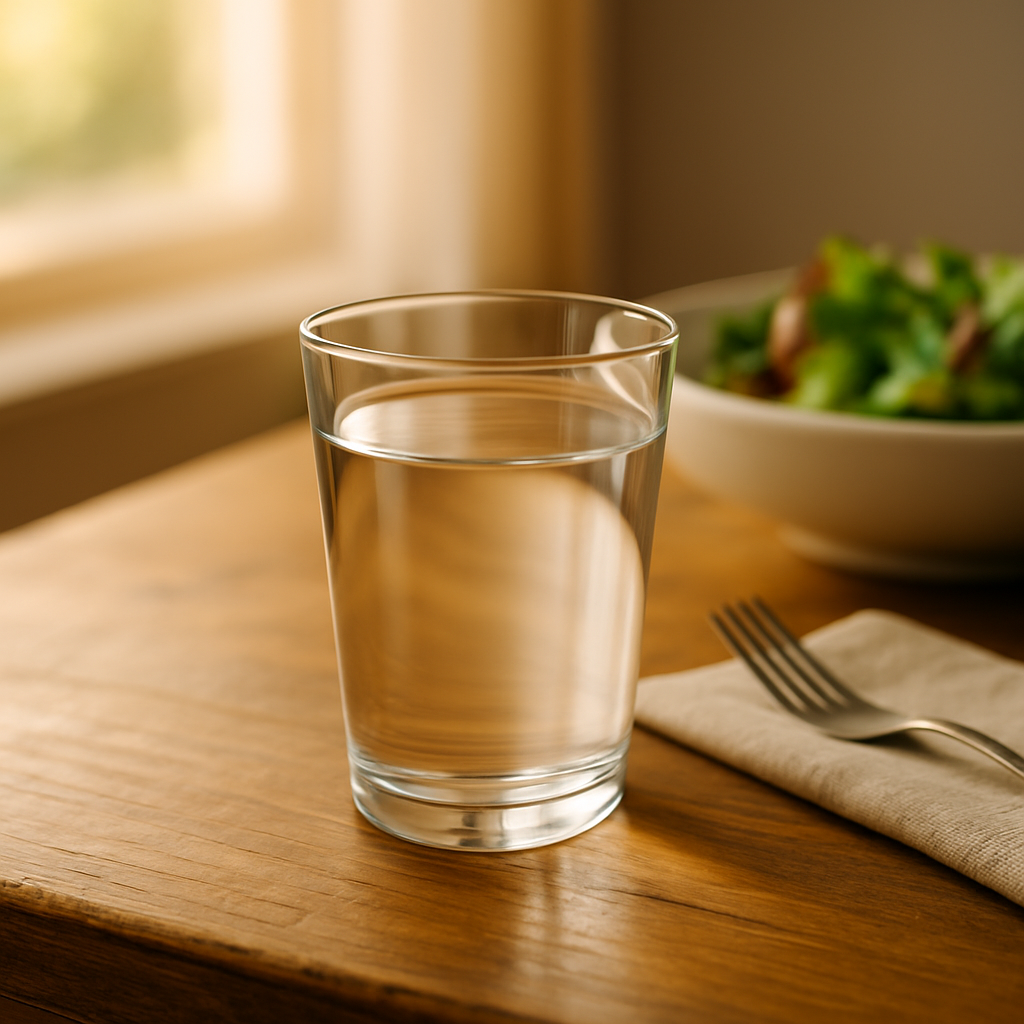
The Hidden Power of Hydration
Why Water Shapes Your Mood, Energy, and Digestion
We talk about food endlessly, but water — the simplest nutrient — rarely gets credit for how it shapes the way we feel.
Every process in the human body, from brain chemistry to hormone regulation, depends on fluid balance.
Yet mild dehydration affects more than thirst — it changes our mood, focus, and digestion in quiet, powerful ways.
Your Brain Feels Water First
Even a 2% drop in hydration can cause measurable cognitive fatigue.
In a 2024 Nature Human Behaviour study, participants who were mildly dehydrated performed 12% worse on attention-based tasks and showed higher cortisol levels, the hormone linked to stress.
The brain is about 75% water.
When fluid levels drop, neurons communicate less efficiently.
That’s why dehydration feels like mental fog — it’s not just tiredness; it’s a temporary chemical imbalance.
The Digestive System’s Silent Dependency
Your digestive tract is a long muscular tube that relies on fluid to move and process food.
Water helps produce stomach acid, soften fiber, and activate enzymes.
Without enough hydration, the stomach slows down, and the intestines absorb moisture from food waste — leading to bloating, gas, and constipation.
A 2023 American Journal of Gastroenterology trial showed that adults who increased their daily water intake by 1.5 liters experienced 35% fewer digestive discomfort symptoms within a month.
It’s simple, but rarely practiced.
Hydration and Hormones
Water doesn’t just affect your stomach — it influences the entire hormonal network that manages energy and appetite.
When you’re dehydrated, the brain releases vasopressin, which conserves water but also increases cortisol and blood sugar.
That’s why thirst is often misinterpreted as hunger or anxiety.
Keeping your body hydrated helps regulate leptin and ghrelin, the two hormones responsible for satiety and appetite.
In other words, sometimes you don’t need another snack — you just need a glass of water.
Mood and Metabolism
Hydration has a subtle but real effect on how you feel emotionally.
Researchers at the University of Connecticut’s Human Performance Lab (2024) found that even mild dehydration significantly increased irritability, fatigue, and perceived workload — especially in women.
Water supports metabolic efficiency by aiding mitochondrial activity — the process that turns nutrients into energy.
It’s not an exaggeration to say: your body runs on water as much as on calories.
Practical Ways to Stay Hydrated
Forget the old “eight glasses a day” rule — hydration needs vary with temperature, diet, and stress.
Instead, follow these principles:
- Start your morning with water, before caffeine.
- Eat hydrating foods like cucumber, melon, and oranges — water locked in fiber hydrates longer.
- Add minerals (like sea salt or electrolytes) if you sweat often or drink distilled water.
- Listen to thirst cues, but don’t wait until you’re parched — thirst means you’re already behind.
For most adults, 30–35 ml of water per kilogram of body weight is a realistic guideline — around 2.0 to 2.5 liters a day for most.
The Quiet Reset
Hydration isn’t dramatic, but it’s foundational.
Drink water before energy drinks, before snacks, before trying to fix fatigue with coffee.
Your body’s balance begins with water, not willpower.
When you restore that balance, digestion softens, focus sharpens, and mood steadies — quietly, like a river finding its flow again.