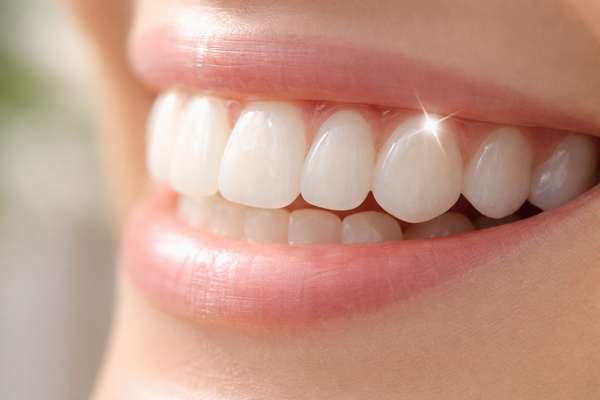
Why Your Teeth Feel Fine but Are Quietly Getting Weaker
The Hidden Daily Habits That Affect Long-Term Oral Health Most people only think about their teeth when something hurts. A sudden sensitivity. Bleeding gums. A dentist mentioning “early enamel wear” almost casually. But here’s the uncomfortable truth: tooth damage rarely begins with pain. For many adults, especially after their late 20s, dental health slowly shifts not because of sugar alone—but because of small, repeated daily habits that weaken enamel, inflame gums, and disrupt the oral microbiome long before cavities appear. This article isn’t about brushing techniques you already know. It’s about the less obvious behaviors that quietly determine whether your teeth stay strong—or gradually lose resilience. Teeth Don’t Fail Suddenly — They Thin, Dry, and Weaken Enamel is often described as “the hardest substance in the human body.” That’s true—but it’s also non-regenerative. Once enamel thins, your body cannot rebuild it. What weakens enamel over time isn’t one bad day. It’s chronic exposure to acid, dryness, inflammation, and bacterial imbalance. And many of these triggers come from habits people consider harmless. Dry Mouth Is More Dangerous Than Sugar Saliva isn’t just moisture—it’s protection. It neutralizes acids, washes away bacteria, and delivers minerals that help maintain enamel strength. Chronic dry mouth (even mild) dramatically increases the risk of: Enamel erosion Gum inflammation Bad breath that doesn’t respond to brushing Higher cavity formation between teeth Common causes include: Mouth breathing during sleep Dehydration (especially in the morning) High caffeine intake Stress and poor sleep If your mouth feels dry when you wake up, your teeth are starting the day without their primary defense system. Acid Timing Matters More Than Acid Amount Many people avoid soda but still struggle with enamel wear. Why? Because acid exposure timing matters more than people realize. Common examples: Drinking lemon water first thing in the morning Sipping coffee slowly over several hours Snacking on fruit or yogurt between meals Acid temporarily softens enamel. Brushing too soon after acid exposure can mechanically wear it down. Dentists often recommend waiting 30–60 minutes after acidic foods or drinks before brushing—not because brushing is bad, but because enamel needs time to reharden. Gum Health Predicts Tooth Longevity Healthy teeth rarely exist without healthy gums. Early gum inflammation often shows up as: Slight bleeding when brushing Puffiness around the gumline A persistent “tight” feeling Left unchecked, this inflammation allows bacteria to migrate below the gumline, weakening the structures that hold teeth in place—even if the teeth themselves look fine. In the U.S., early-stage gum disease is one of the most common reasons adults lose otherwise healthy teeth. Oral Health Is a Microbiome Issue, Not Just Cleanliness Your mouth hosts hundreds of bacterial species. The goal isn’t sterilization—it’s balance. Over-brushing, harsh mouthwashes, and constant antibacterial products can disrupt beneficial bacteria, allowing more aggressive strains to dominate later. This imbalance is increasingly linked to: Chronic bad breath Receding gums Increased plaque formation Slower healing after dental work Modern dentistry is shifting away from “kill everything” toward supporting a stable oral ecosystem. Why Dental Decline Often Starts in Your 30s Many adults notice subtle changes in their 30s and 40s: Teeth look duller Sensitivity appears without cavities Gums recede slightly This isn’t aging alone—it’s cumulative exposure finally reaching a threshold. Years of minor dryness, acid exposure, stress hormones, and inflammation add up. The good news? Once you understand the causes, the decline isn’t inevitable. The Takeaway Strong teeth aren’t maintained by brushing harder or whitening more often. They’re preserved by: Protecting enamel from chronic acid stress Supporting saliva flow and hydration Keeping gums calm, not inflamed Maintaining a balanced oral microbiome Dental health is slow, quiet, and cumulative—just like damage. Which means the choices you make today matter more than the symptoms you feel tomorrow.